 VIP Rewards
 Sustainability
 Careers


 Customer Service
 Store Locator


St Brigid’s Day and the Meaning of the Claddagh
- January 30th, 2026
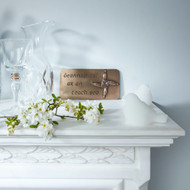
As Ireland welcomes the return of light in early February, St Brigid’s Day marks a moment of renewal, hope and connection. Celebrated on the first day of spring in the Celtic calendar, the festival honours one of Ireland’s most cherished figures, Saint Brigid of Kildare, whose influence continues to shape Irish culture, craft and symbolism. St Brigid is traditionally associated with compassion, creativity and protection. She is the patron saint of artists, craftspeople and healers, and her story is deeply rooted in generosity and care for others. These values are reflected across Irish design, where objects are created not only to be beautiful, but to carry meaning and intention.
One of the most enduring symbols associated with St Brigid is her cross, originally woven from rushes and placed in homes as a sign of protection and blessing. Today, this symbol continues to be reimagined through Irish craft. Pieces such as the handcrafted Wild Goose St Brigid’s Cross bring together ancient symbolism and contemporary design, offering a timeless expression of faith and heritage. Fine jewellery interpretations, including the 14k Double Sided St Brigid’s Cross Pendant and the St Brigid’s Cross 9k Gold Pendant, allow the symbol to be worn close to the heart, carrying its meaning into everyday life. Jewellery has long been one of the most personal ways of expressing belief, love and connection, and few Irish symbols communicate this as clearly as the Claddagh.
A shared language of meaning:
Originating in Galway, the Claddagh is defined by three simple elements. The heart represents love, the hands symbolise friendship, and the crown stands for loyalty. Together, they form a design that has resonated for centuries, rooted in relationships, trust and belonging. These values echo the spirit of St Brigid herself. Her life and legacy speak of unity, generosity and faith, ideals that sit naturally alongside the meaning of the Claddagh. Both symbols reflect a deep respect for human connection and the bonds that hold communities together. Claddagh jewellery has traditionally been gifted to mark important moments, from friendships and family bonds to lifelong commitments. Many classic designs continue to be crafted by respected Irish jewellers such as Solvar, whose work reflects generations of Irish heritage and skill. Today, a carefully chosen piece of Claddagh jewellery remains a meaningful expression of love, loyalty and connection, carrying tradition into modern life.
Craft, heritage and continuity:
St Brigid is closely associated with making and craft, and Irish jewellery reflects that same reverence for skilled workmanship. From the weaving of rushes into a cross to the shaping of precious metals, there is a shared respect for tradition, patience and detail. Across Irish jewellery, designers draw on centuries of symbolism while creating pieces that feel contemporary and wearable. Whether through the enduring form of a St Brigid’s Cross or the iconic Claddagh, these designs are created to be worn, gifted and treasured for years to come. This balance between past and present lies at the heart of Irish design, allowing ancient symbols to remain relevant in everyday life.
Marking St Brigid’s Day with meaning:
St Brigid’s Day invites reflection on care, renewal and the connections we value most. Choosing a piece rooted in Irish symbolism offers a thoughtful way to mark the occasion. Whether it is a St Brigid’s Cross worn as a symbol of protection or a Claddagh chosen to honour love, loyalty and friendship, these pieces carry meaning far beyond their form. For those wishing to mark the day with intention, selecting a meaningful gift allows tradition and craftsmanship to come together in a way that feels both personal and enduring. As Ireland celebrates St Brigid and the arrival of spring, the symbols associated with her story continue to inspire. Through Irish craft and design, they remain part of everyday life, worn, gifted and cherished as quiet expressions of heritage and belief.


